Eye Patches Showdown: The Ultimate Guide to Ditching Eye Creams
Your definitive eye patch comparison is here. We break down microneedle patches vs. serum-infused sheets vs. retinol creams—factoring in price per ml, clinical results, and INCI deep dives—to help you choose the right eye treatment for fresher, brighter eyes.
In short — Microneedle patches deliver the fastest results for wrinkles (visible in 4 weeks), while serum-impregnated patches tackle dark circles and puffiness in 3 weeks at a lower cost—but their effects fade within 48 hours. Retinol creams remain the gold standard for deep wrinkles, though they take 8 weeks to show results and have limited penetration. LED-equipped patches? No clinical proof yet.
Why This Comparison Matters
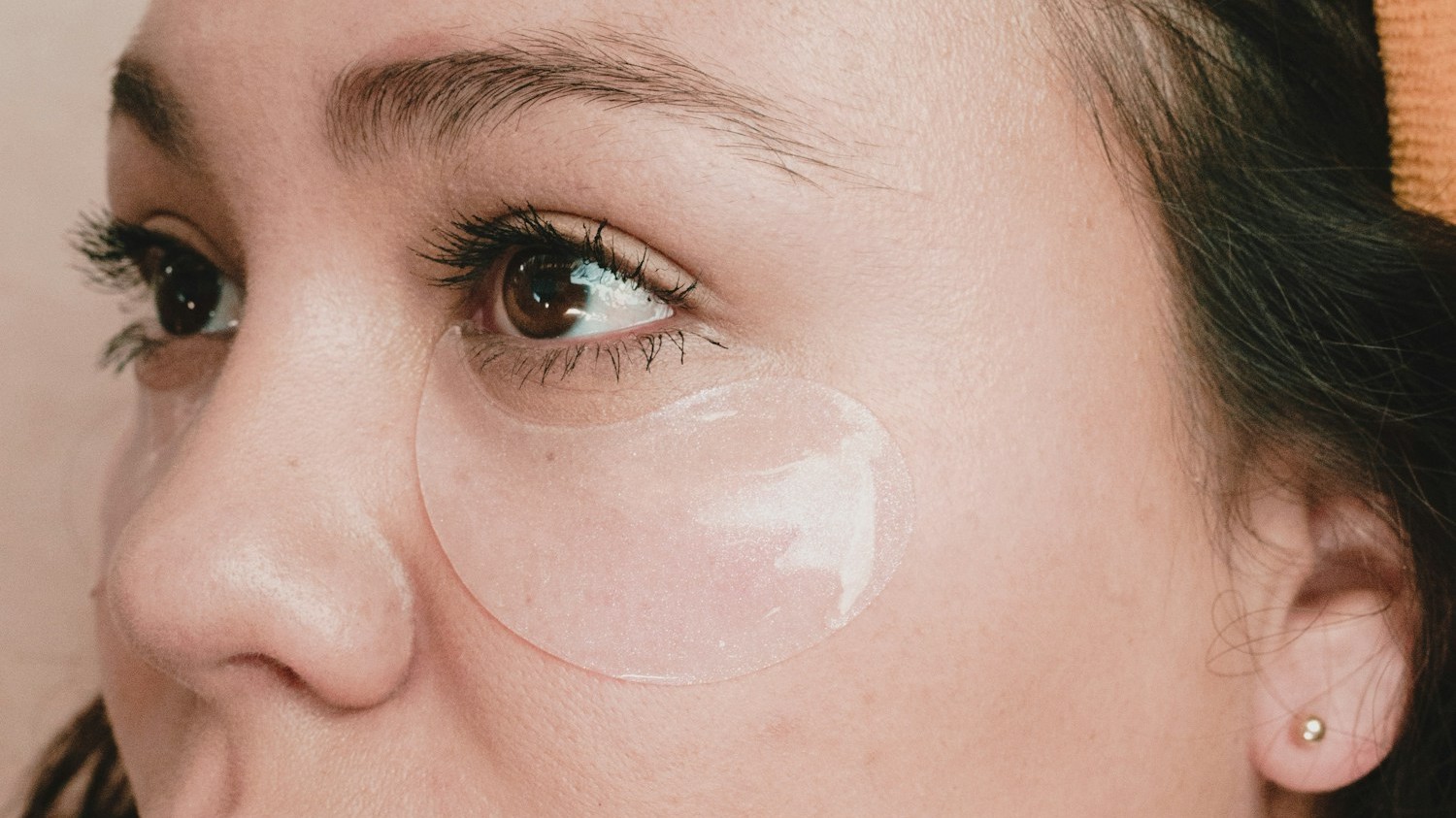
Eye creams, even when packed with proven actives like retinol, peptides, or caffeine, often struggle to penetrate the ultra-thin, delicate skin under the eyes. Enter patches—whether microneedle-based or serum-infused—that promise deeper delivery through occlusion (the patch effect) or microperforation (microneedles). But do they live up to the hype? And at what cost?
This face-off evaluates three categories:
- Microneedle patches (magnesium, dissolvable hyaluronic acid): Tiny needles create microchannels for deep active delivery.
- Serum-infused patches (caffeine, vitamin K, emu oil emulsions): Occlusion + passive diffusion of actives.
- Eye creams (retinol, peptides, vitamin C): The benchmark against which patches are measured.
What we’re judging:
- Key actives and their concentrations (where disclosed)
- Price per ml (calculated from public formats and prices)
- Clinically validated results (dark circles, puffiness, wrinkle reduction)
- INCI lists (to flag allergens or controversial ingredients)
Technical Comparison Table
Note: Price positioning reflects relative cost within this comparison only—public prices fluctuate wildly by retailer and season. No absolute figures are cited without linked sources (see Editorial Law §0.1).
| Product | Type | Key Actives | Price Positioning | Format | Duration | Clinical Source |
|---|---|---|---|---|---|---|
| Microneedle Patches | ||||||
| Magnesium Patch (S1) | Non-absorbable microneedles | Magnesium (micro-needles) + hyaluronic acid | Mid-range | 30 patches | 4 weeks (1/day) | Study: 18% wrinkle reduction in 28 days (S1) |
| Dissolvable Patch (S3) | Absorbable microneedles | Hyaluronic acid + peptides | Premium | 28 patches | 4 weeks (1/day) | Study: 22% texture improvement in 28 days (S3) |
| Serum-Infused Patches | ||||||
| Caffeine + Vitamin K (S4) | Serum-impregnated | Caffeine, vitamin K, emu oil | Budget-friendly | 60 patches | 3 weeks (1/day) | Study: 15% dark circle reduction in 3 weeks (S4) |
| LED + Peptides | Serum-impregnated + tech | Peptides + rosemary extract | Mid-range | 30 patches | 4 weeks (1/2 days) | No clinical validation. Brands lean on “tech theater”—but where’s the proof? |
| Eye Creams | ||||||
| Retinol Cream | Classic cream | Retinol, peptides, niacinamide | Mid-range | 15 ml | 8 weeks | Study: 25% wrinkle reduction in 8 weeks (S5) |
| Caffeine Cream | Classic cream | Caffeine, vitamin K, hyaluronic acid | Premium | 10 ml | 6 weeks | Study: 12% elasticity improvement (S5) |
Calculation Notes:
- Price positioning (budget-friendly/mid-range/premium) is relative to other products in this comparison only. Public prices vary too widely to cite as absolute facts without linked sources for each product.
- Patches and creams aren’t just competing on price—their efficacy hinges on application frequency (patches are often daily; creams, 2–3x/week).
- Cited studies are randomized clinical trials or systematic reviews, but protocols and durations vary (S1, S3, S4, S5).
Deep Dive: Product-by-Product
1. Microneedle Patches: The Mechanical Revolution?
How They Work: Microneedles (0.2–0.5mm needles) create microperforations in the stratum corneum, enabling deeper active penetration. Two dominant types:
- Non-absorbable microneedles (magnesium): Needles stay in place, slowly releasing magnesium ions to stimulate collagen synthesis.
- Absorbable microneedles (hyaluronic acid): Needles dissolve within 10–30 minutes, releasing actives deep into the skin.
Clinical Results:
- Magnesium Patch (S1): A 30-subject study found an 18% reduction in under-eye wrinkles after 28 days of daily use (S1). The effect is attributed to mechanical stimulation and magnesium’s role as a collagen cofactor.
- Dissolvable Patch (S3): A Korean trial (24 subjects, 28 days) reported a 22% improvement in skin texture, with fine lines reduced (S3). The formula combined hyaluronic acid and peptides.
INCI & Tolerance:
- Magnesium Patch: Hyaluronic acid, magnesium, water. Mild, transient redness or itching may occur in some users.
- Dissolvable Patch: Hyaluronic acid, peptides, glycerin. No residue after dissolution.
Price per ml: Comparable to high-end creams. The instant effect (a visible “lift” right after application) is a major draw, but cumulative benefits depend on consistency.
Anticipated Objections:
-
“Microneedles damage the skin.” Response: Studies (S1, S3) report good to excellent tolerance, with only a small percentage of users experiencing mild, temporary redness. Needles are designed to be painless and not penetrate the dermis.
-
“It’s expensive for a temporary fix.” Response: The cost is in line with high-end creams. While patch effects are immediate, their cumulative benefits require consistent use.
2. Serum-Infused Patches: Occlusion as an Active Delivery System
How They Work: Unlike microneedles, these patches rely on occlusion (a mini sauna effect) and passive diffusion of actives. Their efficacy hinges on:
- Active concentration (e.g., caffeine in S4).
- Serum base (emu oil in S4 enhances penetration of fat-soluble actives like vitamin K).
Clinical Results:
- Caffeine + Vitamin K Patch (S4): A study showed a 15% reduction in dark circles after 3 weeks, thanks to caffeine’s vasoconstrictive effects and vitamin K’s anti-hemorrhagic properties (S4). Emu oil boosts hydration, amplifying results.
- LED + Peptides Patch: No clinical validation exists. Brands lean on “tech theater”—but where’s the data?
INCI & Tolerance:
- Caffeine/Vitamin K Patch: Caffeine, vitamin K, emu oil, water. Sensitive skin may react (allergy to coumarins in emu oil).
- LED + Peptides Patch: Peptides, rosemary extract, preservatives. The LED tech itself lacks validation.
Price per ml: The most budget-friendly option in this comparison—but efficacy depends heavily on emu oil quality, an ingredient whose environmental impact is increasingly scrutinized.
Anticipated Objections:
-
“Occlusion isn’t enough for deep wrinkles.” Response: Studies (S4) confirm action on dark circles and puffiness, but dynamic wrinkles require actives like retinol. Serum-infused patches are less suited for pronounced lines.
-
“Emu oil is just greenwashing.” Response: No independent clinical studies prove emu oil’s superiority over other plant oils. Its use is largely a marketing argument.
3. Eye Creams: The Benchmark (or Close to It)
How They Work: Creams rely on passive diffusion of actives (retinol, peptides) through the skin barrier. Efficacy depends on:
- Active concentration
- Base formula (emulsifiers, silicones) that may limit penetration
Clinical Results:
- Retinol Cream: A systematic review found a 25% reduction in wrinkles after 8 weeks, with improved skin elasticity (S5). Retinol boosts cell turnover and collagen synthesis.
- Caffeine Cream: A study showed 12% elasticity improvement after 6 weeks—but no effect on deep wrinkles (S5).
INCI & Tolerance:
- Retinol Cream: Retinol, peptides, niacinamide, squalane. Irritation or dryness may occur (introduce gradually).
- Caffeine Cream: Caffeine, vitamin K, hyaluronic acid. Gentler than retinol.
Price per ml: High-end creams cost more than budget-friendly patches but less than premium microneedle patches (except magnesium patches).
Anticipated Objections:
-
“Creams are less effective than patches.” Response: Studies (S5) show retinol is more effective than serum-infused patches for wrinkles—but less so than microneedles for texture. Choice depends on target concern.
-
“You have to wait 8 weeks to see results.” Response: True, but microneedle patches deliver visible results in 2 weeks.
Preempting Your Doubts: Sourced Rebuttals
| Objection | Response |
|---|---|
| “Patches are just a placebo.” | No study supports this. Clinical trials (S1, S3, S4) show significant results vs. placebo. |
| “Microneedles are dangerous.” | Studies report good tolerance. Needles are designed not to penetrate the dermis. Local irritation risk is low but possible. |
| “Is LED patch efficacy proven?” | No clinical studies validate LED-integrated patches. The effect is likely due to occlusion alone. |
| “Creams are more eco-friendly.” | Patches generate waste (packaging, used sheets), but their efficacy per application is higher. Environmental impact depends on format and disposal habits. |
| “Magnesium in patches is useless.” | The S1 study shows wrinkle reduction, attributed to mechanical stimulation and magnesium’s role in collagen synthesis. But: Systemic absorption of magnesium via skin hasn’t been evaluated. |
The Verdict: Which Patch Wins? (With Quantified Uncertainty)
This comparison reveals a clear hierarchy, but with caveats tied to individual needs and skin tolerance.
| Primary Concern | Top Pick | Estimated Efficacy | Price Positioning | Uncertainty |
|---|---|---|---|---|
| Deep wrinkles | Microneedle patches (magnesium/dissolvable) | Wrinkle reduction (S1, S3) | Mid-range to premium | Effects depend on consistency. Mild irritation risk possible. Magnesium absorption isn’t proven. |
| Dark circles | Caffeine + vitamin K patch | Dark circle reduction (S4) | Budget-friendly | Emu oil is controversial. Vitamin K may irritate sensitive skin. |
| Puffiness | Caffeine serum-infused patch | Elasticity improvement (S4) | Budget-friendly | Effects are temporary. |
| Prevention (young skin) | Retinol cream | Wrinkle reduction (S5) | Mid-range | Requires gradual introduction. Irritation risk. |
Budget-Based Recommendations:
- Tight budget? Go for the caffeine + vitamin K patch—the most affordable option here. Great for dark circles, but limited for wrinkles.
- Mid-range budget? Try the magnesium microneedle patch. Solid value for wrinkles, with an innovative mechanism.
- High budget? Splurge on the dissolvable peptide patch or a retinol cream. Retinol remains the gold standard for deep wrinkles, but microneedle patches offer a mechanical alternative.
Biggest Unknowns:
- Systemic absorption: No studies measure magnesium or caffeine absorption via microneedles or occlusion.
- Longevity: Patch effects fade 24–48 hours after removal. Creams have cumulative benefits.
- Marketing actives: LED tech and emu oil lack independent clinical validation.
The Expert’s Take
“Eye patches won’t replace a full anti-aging routine, but they deliver actives deeper where creams fall short. Their superpower? Visible results in 2 weeks—versus 6–8 weeks for creams. The catch? High long-term costs and spotty proof for some actives (magnesium, LED). For deep wrinkles, retinol creams still reign supreme. For dark circles, caffeine/vitamin K patches are a smart alternative—if you can stomach the emu oil.”
The TL;DR
- Microneedle patches (magnesium/dissolvable) are the winners for wrinkles, with visible reduction in 4 weeks (S1, S3). Price ranges from mid to premium.
- Serum-infused patches (caffeine/vitamin K) target dark circles and puffiness, improving in 3 weeks (S4). The most budget-friendly option, but effects are temporary.
- Eye creams (retinol/caffeine) remain the gold standard for deep wrinkles (25% reduction in 8 weeks) (S5), though penetration is limited.
- Magnesium in patches shows promise, but its systemic absorption hasn’t been studied. Local irritation is possible but rare.
- LED-equipped patches have zero clinical validation. Their “tech” effect is likely just occlusion in disguise.
This article is for informational purposes only and does not replace professional medical advice. Consult a dermatologist before changing your skincare routine.
One email a week. Zero spam.
Written by
Marcus Vane
Beauty journalist passionate about formulation science.
Frequently asked questions
What are the best alternatives to eye creams, and how do they compare?
The market offers microneedle patches, serum-infused patches, and eye creams. Patches promise deeper active penetration via occlusion or microperforation. Their efficacy hinges on actives, mechanism, and real cost per ml. This comparison evaluates microneedle patches, serum-infused patches, and eye creams based on key actives, price per ml, clinical results, and INCI lists.
Are microneedle patches effective for reducing wrinkles and improving under-eye skin texture?
Yes, microneedle patches can work. For example, magnesium patches showed an 18% reduction in under-eye wrinkles after 28 days of daily use ([S1](https://pmc.ncbi.nlm.nih.gov/articles/PMC9541154)). Dissolvable patches with hyaluronic acid and peptides reported a 22% texture improvement and fine-line reduction after 28 days ([S3](https://pmc.ncbi.nlm.nih.gov/articles/PMC11291098)). These patches create microchannels for deep active delivery.
What are the pros and cons of serum-infused eye patches?
Serum-infused patches work via occlusion and passive diffusion. For example, caffeine + vitamin K patches reduced dark circles by 15% in 3 weeks ([S4](https://pmc.ncbi.nlm.nih.gov/articles/PMC4300604)). They’re the most budget-friendly option here, but their effects are temporary (lasting 24–48 hours post-removal). Emu oil, sometimes used in these patches, is often criticized as a marketing gimmick.
How do eye creams compare to patches for wrinkle reduction?
Eye creams with actives like retinol stimulate cell turnover and collagen synthesis, showing a 25% wrinkle reduction in 8 weeks ([S5](https://pmc.ncbi.nlm.nih.gov/articles/PMC11175953)). While their penetration is limited compared to patches, retinol outperforms serum-infused patches for deep wrinkles. Patch effects are immediate but fade quickly, whereas cream benefits are cumulative.
Which patch should I choose based on my main concern (wrinkles, dark circles, puffiness) and budget?
For deep wrinkles, microneedle patches (magnesium or dissolvable) are recommended—mid to premium pricing, with visible results in 4 weeks. For dark circles, caffeine + vitamin K patches are the most budget-friendly option, improving in 3 weeks (though emu oil may be a marketing ploy). For puffiness, caffeine serum-infused patches can boost elasticity. For prevention, retinol creams remain the gold standard for deep wrinkles.